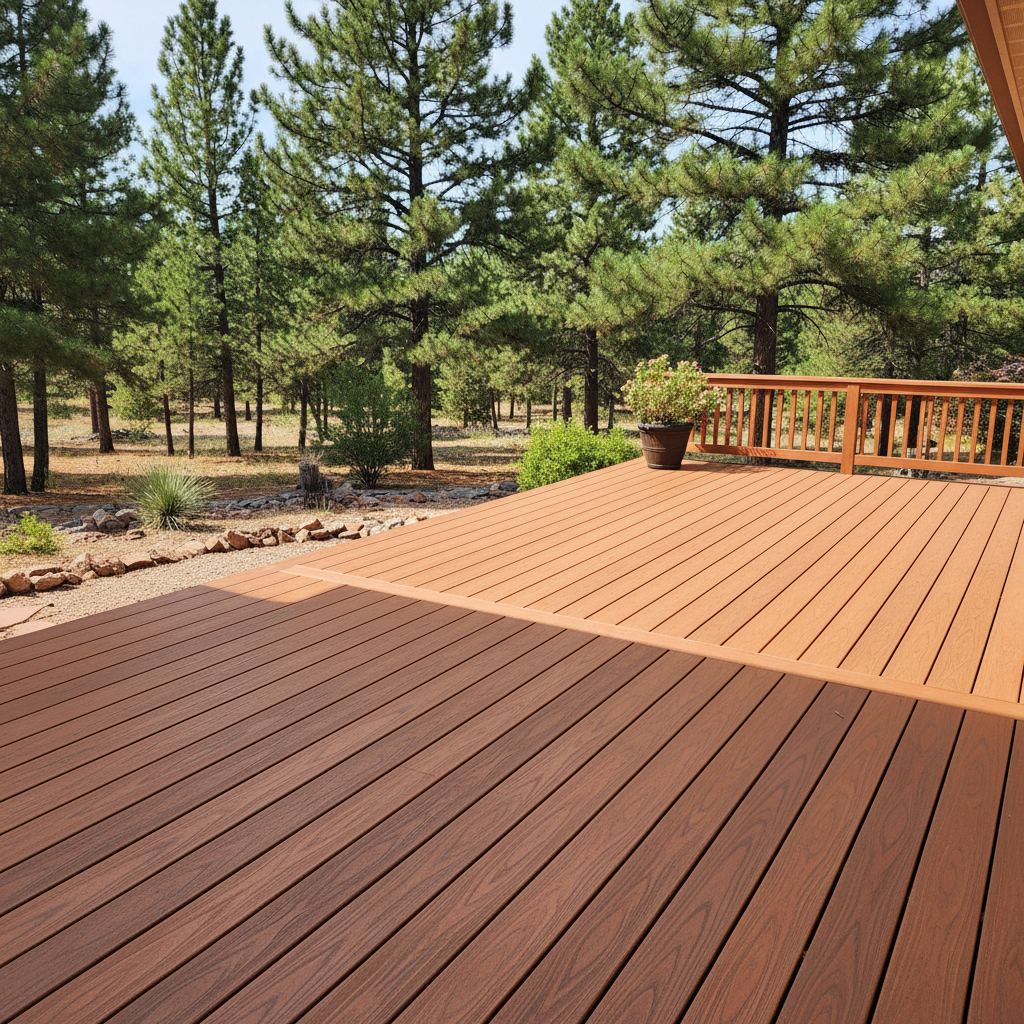
You shelled out for a composite deck, probably thinking you were done with maintenance, right? I hear that a lot. And while it’s true that composite decks are way less work than wood, they’re not entirely maintenance-free. Nothing built outdoors in Flagstaff is, really. You've still got to give it a little love if you want it to last and keep looking good, especially with our crazy weather swings.
Regular Maintenance: Your Deck's Best Friend
Let's talk about the basics. This isn't rocket science, but it makes a huge difference. Your composite deck is tough, but it still gets dirty. Dust, pine needles, pollen from all those ponderosas, and even a little bit of mold or mildew can build up, especially on the north-facing sides that don't get as much sun.
- Sweep it off regularly: Seriously, just a broom. Get rid of leaves, dirt, and anything else that blows onto it. If debris sits there, it can trap moisture and lead to staining or even mold growth. Try to do this weekly if you can, or at least every couple of weeks.
- Wash it down: A good wash once or twice a year usually does the trick. Use a soft-bristle brush and a bucket of warm, soapy water. Dish soap works fine for most general grime. For tougher spots, you can find specific composite deck cleaners; just follow their directions. Rinse thoroughly with a garden hose. Don't go crazy with a pressure washer unless you know what you're doing and use a very low setting and wide fan tip. Too much pressure can actually damage the surface of some composite boards, leaving permanent marks. I've seen it happen.
- Clear out the gaps: Those little spaces between your deck boards? They're drainage paths. If dirt, leaves, or pine needles clog them, water can sit on the deck surface longer, which isn't ideal. Grab a putty knife or a thin piece of wood and clear them out.
- Watch for stains: Grease from the grill, spilled drinks, or even sap from trees can leave marks. The sooner you clean them, the easier they are to get out. Most composite manufacturers have specific recommendations for different types of stains, so check their website if you run into something stubborn.
Extending Your Deck's Lifespan in Flagstaff's Climate
Our high-altitude sun is intense, and our winters can be brutal with snow and ice. These factors put unique stresses on any outdoor structure, including your composite deck. Here's how to combat that:
- Snow removal: When it snows, clear your deck. Don't let heavy snow sit on it for weeks. Use a plastic shovel, not metal, to avoid scratching the surface. If you need to use de-icer, make sure it's safe for composite materials. Many common ice melts contain chemicals that can discolor or damage your deck. Sand is usually a safe bet for traction, but sweep it up once the ice is gone.
- UV protection: While composites are designed to resist UV damage, nothing is completely immune. Some higher-end composites have better UV inhibitors, but over decades, even the best can show some fading. Keeping it clean helps, but also consider things like awnings or pergolas if you're looking for extra shade and protection for both your deck and yourself.
- Proper drainage around the deck: This isn't just about the deck itself, but the ground around it. Make sure water drains away from your deck's foundation. In areas like Cheshire or Forest Highlands, where we often deal with clay soil, proper grading is critical. If water pools around the posts or joists, even if they're treated, it can lead to bigger problems down the line.
Warning Signs: When to Pay Closer Attention
Most composite decks are pretty resilient, but there are a few things to keep an eye on:
- Unusual discoloration or fading: Beyond normal weathering, if you see blotchy spots or significant color loss in certain areas, it could indicate an issue with the material or a stubborn stain.
- Mold or mildew that won't go away: A little green film is normal, but if it's persistent and deep-seated even after cleaning, you might have a moisture problem or a particularly porous board.
- Cracks or splintering: This is rare with good quality composite, but if you see it, especially on the edges or ends of boards, it's a red flag.
- Loose railings or wobbly steps: This isn't usually a composite board issue, but a structural one. The fasteners, posts, or framing underneath could be compromised. This is a safety hazard and needs immediate attention.
When to Call a Pro
Look, I'm not going to tell you to call me for every little thing. You can handle most of this maintenance yourself. But there are times when it makes sense to bring in someone like us at Flagstaff Deck Creations.
- Structural concerns: If your deck feels bouncy, if posts are leaning, or if you see significant rot on the underlying wood frame (yes, even under composite, the frame is often wood), don't mess around. That's a safety issue.
- Persistent staining or damage: If you've tried everything and can't get a stain out, or if you have a damaged board, we can often replace individual boards or offer solutions for more extensive cleaning.
- Deck inspections: If your deck is getting up there in age (say, 15+ years), or if you just bought a new house with an existing deck, it's not a bad idea to have a professional inspection. We can spot potential issues before they become big, expensive problems.
- You just don't have the time or tools: Life gets busy. If you'd rather spend your weekend hiking the Peaks or enjoying downtown Flagstaff than scrubbing your deck, give us a call. We're happy to help keep your deck in prime condition.
Your composite deck is an investment. A little regular care goes a long way in protecting that investment and ensuring you can enjoy it for decades to come, right here in our beautiful mountain town.