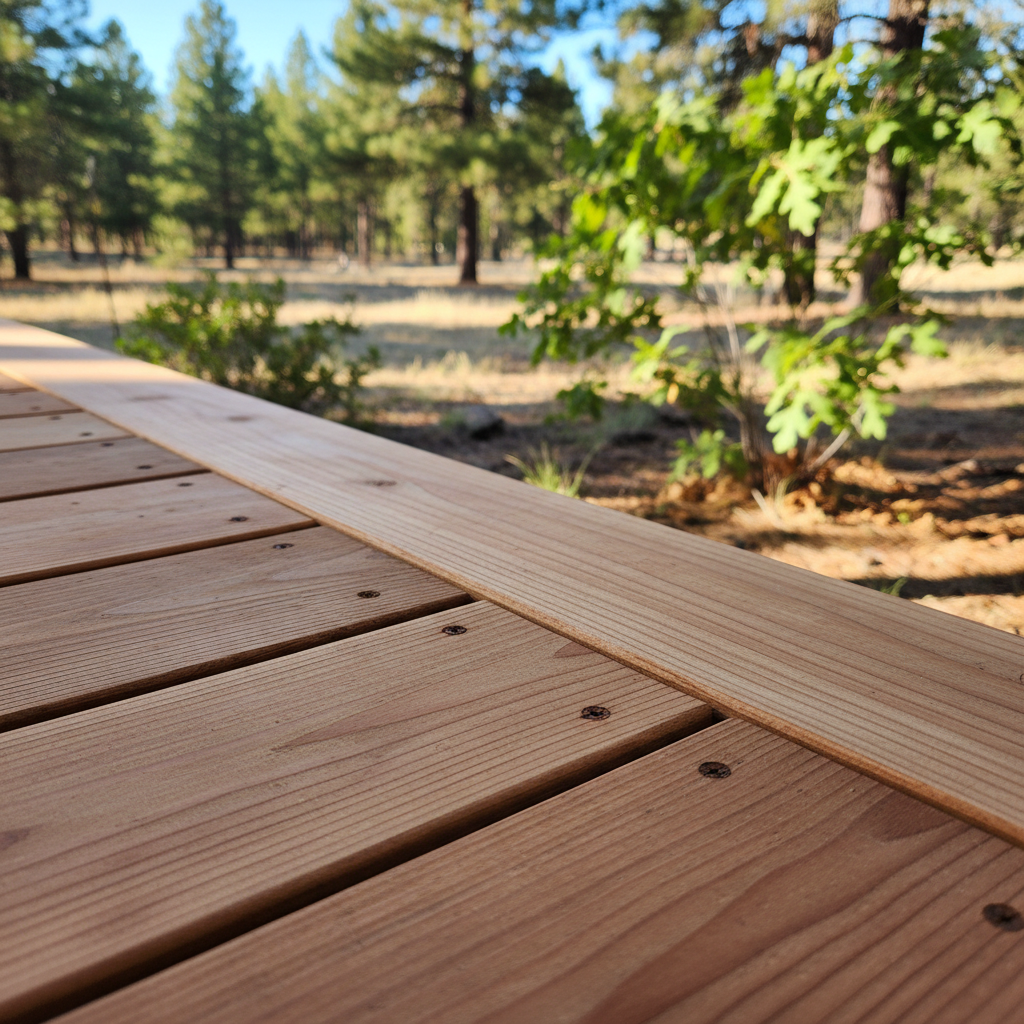
Your deck's seen some things, hasn't it? Our Flagstaff weather, with those heavy snowfalls and intense summer sun, really puts a deck through its paces. After a few years, you're bound to see some wear and tear. The big question I get asked a lot is, 'Can I fix this myself, or do I need to call someone?'
Before You Start: Safety First, Always
Before you even think about grabbing a hammer, do a thorough inspection. Seriously, get down on your hands and knees. Look at every board, every railing post, every support beam. You're looking for rot, loose fasteners, splintering wood, or anything that just doesn't look right. Pay extra attention to areas that stay wet longer, like where posts meet the ground or where snow tends to pile up against the house. If you see significant rot in a main support beam or a ledger board (that's the big board connecting your deck to your house), stop right there. That's a structural issue, and you'll want a professional to assess it.
What You Can Probably Tackle Yourself
Alright, let's talk about the stuff you can realistically handle without needing a full crew or special permits. These are the common issues that, with a little elbow grease and the right tools, you can knock out on a Saturday afternoon.
- Loose Deck Boards: This is probably the most common one. Boards can warp, screws can back out, especially with all the freeze-thaw cycles we get up here. If it's just a few loose boards, you can usually re-secure them with longer, stronger deck screws. Make sure you're using exterior-grade screws, not drywall screws. Those won't last a season.
- Splintering or Cupping Boards: Sometimes a single board will start to splinter or cup (where the edges lift up). If it's just one or two, you can carefully remove them and replace them with new, treated lumber. Make sure the new board is the same thickness as the old one, and don't forget to pre-drill your holes to prevent splitting.
- Wobbly Railings or Balusters: A wobbly railing is a safety hazard, plain and simple. Often, it's just a loose connection. Check the posts where they attach to the deck frame. If they're bolted, try tightening the bolts. If they're toe-nailed or screwed, you might need to add some additional blocking underneath or use specialized post-to-deck connectors for a stronger fix. For loose balusters, often new screws or even a little exterior-grade adhesive can do the trick.
- Cleaning and Staining Prep: This isn't exactly a repair, but it's crucial maintenance. You can absolutely power wash your deck (carefully, don't blast divots in the wood!) and sand down rough spots yourself. Prepping your deck for a fresh stain or sealant is a big job, but it's definitely DIY-friendly.
When to Call a Pro (That's Us, Flagstaff Deck Creations, or Another Reputable Builder)
Now, for the stuff that's probably beyond your average homeowner's toolkit and expertise. These are the issues that impact the structural integrity of your deck or require specialized knowledge and equipment.
- Significant Rot in Structural Members: We're talking about joists, beams, ledger boards, or support posts. If these are compromised, your deck isn't safe. Replacing these requires careful planning, temporary supports, and often specific building codes to follow. This isn't a job for YouTube tutorials.
- Deck Sagging or Unevenness: If your deck is noticeably sagging in one area, or if it's no longer level, that's a red flag. This often points to foundation issues, settling posts, or overloaded sections. Diagnosing and fixing this correctly is complex and can involve jacking up sections of the deck.
- Foundation Issues: In Flagstaff, we deal with expansive soils in some areas, which can cause concrete footings to shift or crack over time. If you suspect your deck's foundation is compromised, you need an expert to evaluate it.
- Major Railing System Failure: If an entire section of your railing has failed, or if the attachment points to the deck are severely damaged, it's often better to have a professional rebuild that section to ensure it meets safety standards.
- Permit Requirements: For any significant structural repair or modification, you might need a building permit from the City of Flagstaff. A reputable contractor will know when permits are required and how to navigate that process. You don't want to do a big repair only to find out later it wasn't up to code.
During the Project: A Few Pointers
Whether you're DIYing a small fix or hiring us for a bigger job, a few things hold true. Always use the right materials – hot-dipped galvanized or stainless steel fasteners are a must for outdoor use here. Don't skimp on quality. Measure twice, cut once. And if you're ever unsure, just stop. It's better to pause and get advice than to make a mistake that costs more to fix later.
After the Repair: Keep an Eye on Things
Once the repair is done, don't just forget about it. Decks need ongoing attention. Do those annual inspections. Keep an eye on the areas you just fixed. Our high-altitude sun is brutal on wood, so make sure you're regularly cleaning and re-sealing or staining your deck to protect it. A little preventative maintenance goes a long way in extending the life of your deck and preventing bigger, more expensive repairs down the road.
So, there you have it. Some deck repairs are totally within your grasp. For the bigger, more complex stuff, don't hesitate to reach out. That's what we're here for.