Planning Your Flagstaff Pool Deck: Before You Start Digging
So, you've got a pool, or maybe you're just thinking about putting one in. Now you're probably staring at a patch of dirt, wondering how to turn it into a usable, good-looking space. A pool deck isn't just about how it looks, though; it's also about keeping things safe, making sure it lasts, and truly transforming your backyard into a little oasis. Before you even start thinking about what materials to use, you've got a few things to consider.
First off, what kind of pool do you have? Is it above-ground, in-ground, or one of those semi-inground setups? That choice will really shape the deck's structure. You'll also need to think about drainage. Flagstaff gets some serious monsoon rains in the summer, and you definitely don't want water pooling up against your house or under your deck. Proper grading, and maybe even a French drain system, are absolutely crucial. I've seen too many decks in places like Cheshire or Forest Highlands where water just sits, leading to rot and a whole lot of headaches down the line.
Then there's the sun. We're at a high elevation here, and that sun can be brutal, can't it? You'll want materials that won't get scorching hot underfoot. Nobody wants to burn their feet just walking to the pool. Also, think about how much space you'll actually need around the pool for lounging, grilling, or just walking around. Don't skimp on space; you'll regret it later.
Choosing Materials: What Works (and What Doesn't) Up Here
When it comes to materials, you've got options, but not all of them are ideal for our specific climate. Concrete is a classic for a reason. It's durable, pretty low maintenance, and you can stamp or color it to look like stone or tile. The downside? It can crack with our freeze-thaw cycles if it's not installed just right, and yes, it can get hot. Pavers are another good choice, offering flexibility and easy repairs if one gets damaged. They're also less prone to cracking than a solid concrete slab, which is a plus.
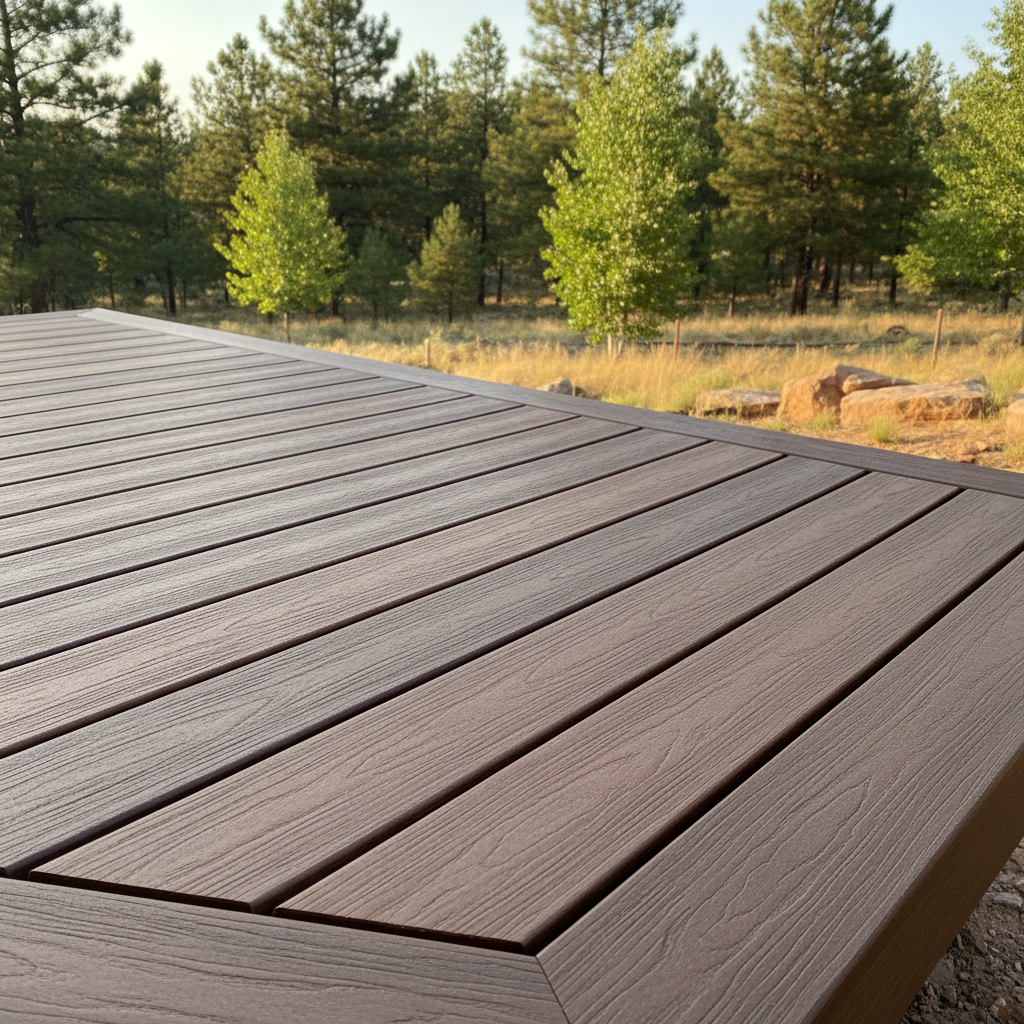
Wood decks around pools are beautiful, no doubt, but they do need more upkeep. Cedar or redwood are good choices for their natural resistance to rot, but they'll still need regular sealing to stand up to pool chemicals and our weather. Composite decking is often a fantastic choice for pool areas. It's splinter-free, slip-resistant, and won't rot or warp. Plus, many newer composite lines are designed to stay cooler underfoot. It costs more upfront, sure, but the reduced maintenance often makes it worth it in the long run.
What about doing it yourself? Pouring a small concrete pad or laying some basic pavers for a small above-ground pool surround? Yeah, you might be able to tackle that if you're handy and have the right tools. But for anything involving complex grading, structural integrity for an in-ground pool, or custom designs, you're really going to want to call in a pro. Dealing with permits, proper footings, and making sure everything meets code isn't really a weekend warrior project. Especially with the ground freezing deep here, you need footings that go below the frost line.
Building & Beyond: What to Expect During and After
Once you've got your plan and materials sorted, the actual build needs careful oversight. If you're hiring someone, make sure they really understand our local conditions. Ask about their experience with pool decks specifically and how they handle drainage and footings for our climate. A good contractor will walk you through the whole process, from digging the first bit of dirt to those final touches.
During construction, keep an eye on the details. Are they using the right fasteners for the material? Is the decking spaced correctly for expansion and contraction? Are they cleaning up the site daily? Communication is key. Don't be afraid to ask questions, okay?
After the deck is built, maintenance becomes your best friend. Even low-maintenance materials aren't "no-maintenance." You'll want to sweep off debris regularly, especially pine needles if you're up in areas like Kachina Village. A good rinse with a hose is usually enough for composite or concrete. Wooden decks will need periodic cleaning, sealing, or staining to protect them from UV rays and moisture. Check for loose boards or fasteners annually. Pool chemicals can be tough on any material, so clean up spills quickly.
A well-built pool deck from a company like Flagstaff Deck Creations can really transform your backyard into a truly enjoyable space. It's a big investment, but with the right planning and execution, you'll get years of enjoyment out of it. Don't cut corners, and don't be afraid to ask for help when you need it. Your bare feet (and your wallet, in the long run) will definitely thank you.