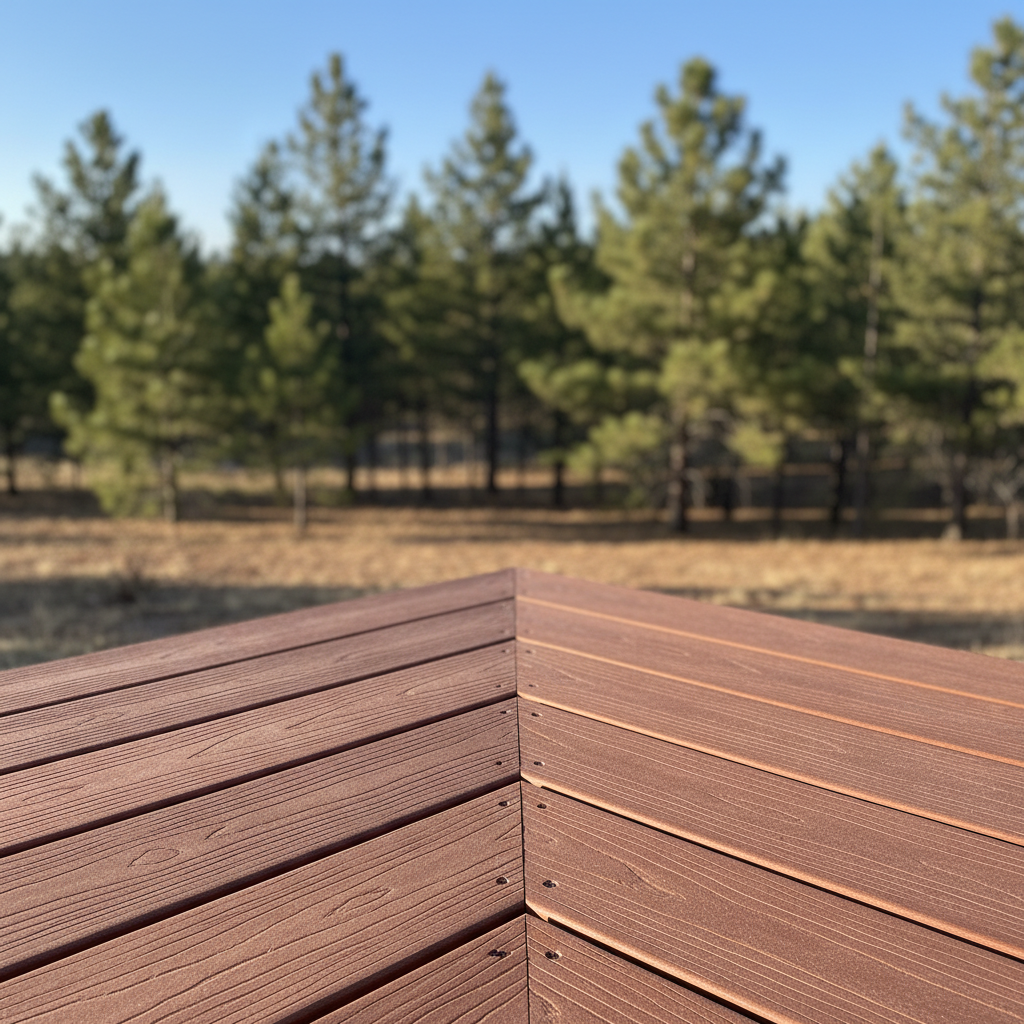
So, you're thinking about a Trex deck for your place up here in Flagstaff. Good call. Trex, and other composite decking, have really come a long way. It's tough, looks great, and doesn't demand the constant attention a wood deck does. That's a huge plus when you're dealing with our high-altitude sun and those heavy snows we get.
But before you jump in, you probably have some questions, right? Like, can I build this myself, or should I call someone? What's actually involved? Let's chat about what you need to know, from the first sketch to kicking back on your brand-new outdoor space.
Before You Start: Planning Your Trex Deck
This is the part that sets you up for success – or a massive headache. Don't skip it. First things first: what do you actually want? A small landing off the back door? Or a sprawling, multi-level entertainment zone? Sketch it out. Think about how you'll use it, where the sun hits, and how it'll flow with your house.
- Permits are Non-Negotiable: Seriously, don't even think about trying to skip this. Flagstaff has building codes, and they're there for a reason – safety. You'll need to send your plans to the city or county. This usually means a site plan, framing details, and sometimes even snow load calculations, especially if you're building something big. For a simple ground-level platform, it might be easier, but anything attached to your house or elevated typically needs a full permit.
- Foundation Matters, Big Time: This is probably the most crucial step, and it's where a lot of DIYers get into trouble. Our ground here can be tricky – rocky, clay, or sometimes a mix of both. You need solid footings that go below the frost line (which is pretty deep up here, usually 30-36 inches) to stop your deck from heaving. If your footings aren't deep enough or poured right, your deck will shift and settle. Suddenly, that beautiful Trex will look like a wavy potato chip. This is definitely an area where I'd lean towards getting professional advice, even if you plan to do the rest yourself.
- Design & Materials: Trex offers different lines, colors, and textures. Grab some samples. See how they look in different light throughout the day. Think about railing styles too – composite, aluminum, cable? They all have different costs and installation methods, you know.
During the Build: DIY vs. Pro
Okay, you've got your plans, your permit, and your materials. Now for the fun part.
What You Can Probably Tackle Yourself (if you've got some skill and patience):
- Decking Installation: Laying the Trex boards themselves is pretty straightforward for most homeowners with basic carpentry skills. Trex uses hidden fasteners, which gives it a really clean look. You'll need a good miter saw, a drill, and a few other hand tools. Take your time, measure twice, cut once. Just make sure you follow the manufacturer's guidelines for spacing and fastening – composites expand and contract differently than wood.
- Railing Assembly: Many composite or aluminum railing systems are made for DIY assembly. They come in kits with clear instructions. It's kind of like a big LEGO set, but heavier.
- Basic Framing (if you're handy): If you're building a simple, low-to-the-ground deck that doesn't need complex ledger board attachment or multi-level framing, and you're confident in your carpentry skills, you might be able to handle the framing. But remember those footings we talked about.
When to Call a Pro (and why it's worth every penny):
- Complex Framing & Footings: If your deck is elevated, attached to your house, involves multiple levels, or needs specialized footings (like helical piers for really rocky ground), call a pro. Getting the ledger board attached correctly to your house, making sure there's proper drainage, and building a structurally sound frame that meets code is absolutely crucial for safety and how long your deck will last. This is where Flagstaff Deck Creations truly excels – we've built hundreds of decks in all sorts of conditions around here.
- Permit Navigation: If the thought of dealing with building departments and inspectors makes your head spin, a good contractor will handle all that for you.
- Time & Tools: Building a deck, even a composite one, takes a lot of time and specialized tools. If you don't have the time or the right equipment, or you just want it done right and fast, a professional crew will get it done efficiently. We've got the tools, the experience, and the know-how to handle everything from the initial dig to the final railing cap.
- Warranty & Insurance: A reputable contractor will offer warranties on their work and carry liability insurance. This protects you if something goes wrong, which is always a good thing.
After the Build: Enjoying Your Trex Deck
One of the best things about Trex is how little maintenance it needs. You won't be staining or sealing it every year like a wood deck. But 'low maintenance' doesn't mean 'no maintenance', does it?
- Cleaning: A simple wash with soap and water (or a composite deck cleaner) and a soft brush or pressure washer (on a low setting!) once or twice a year will keep it looking fresh. Don't use harsh chemicals or abrasive cleaners. Our pine needles and pollen can really build up, so a good spring cleaning is always a smart move.
- Snow Removal: You can shovel snow off your Trex deck, but be careful not to use metal shovels or sharp edges that could scratch the surface. A plastic shovel or broom works best.
- Inspections: Even though it's composite, it's still a structure. Once a year, give the whole thing a quick look-over. Check the railings, make sure no fasteners have come loose, and look for any signs of wear or damage.
Building a Trex deck can be a really rewarding project. For some homeowners, tackling the whole thing is a great challenge. For others, knowing when to bring in the experts for the critical structural elements makes all the difference. Whatever path you choose, a well-built Trex deck will add value and enjoyment to your Flagstaff home for years to come.